Cell Therapy for Solid Cancers: Promise or Overpromise?
Speaker
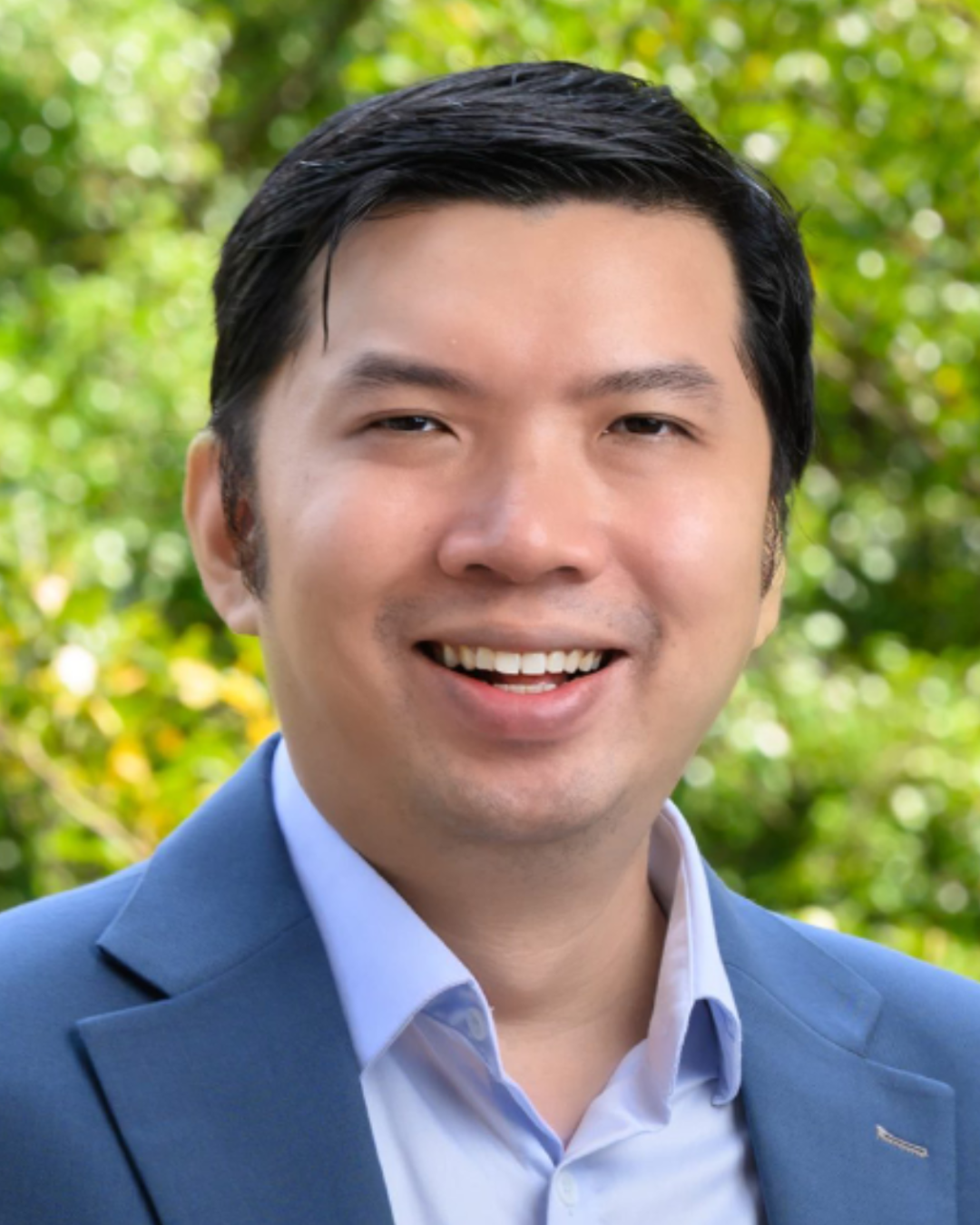
Dr. Sophia Wong
MBBS, MRCP, PhD
SingHealth
Moderator
Dr. Joe Yeong
MD, PhD
Moderator
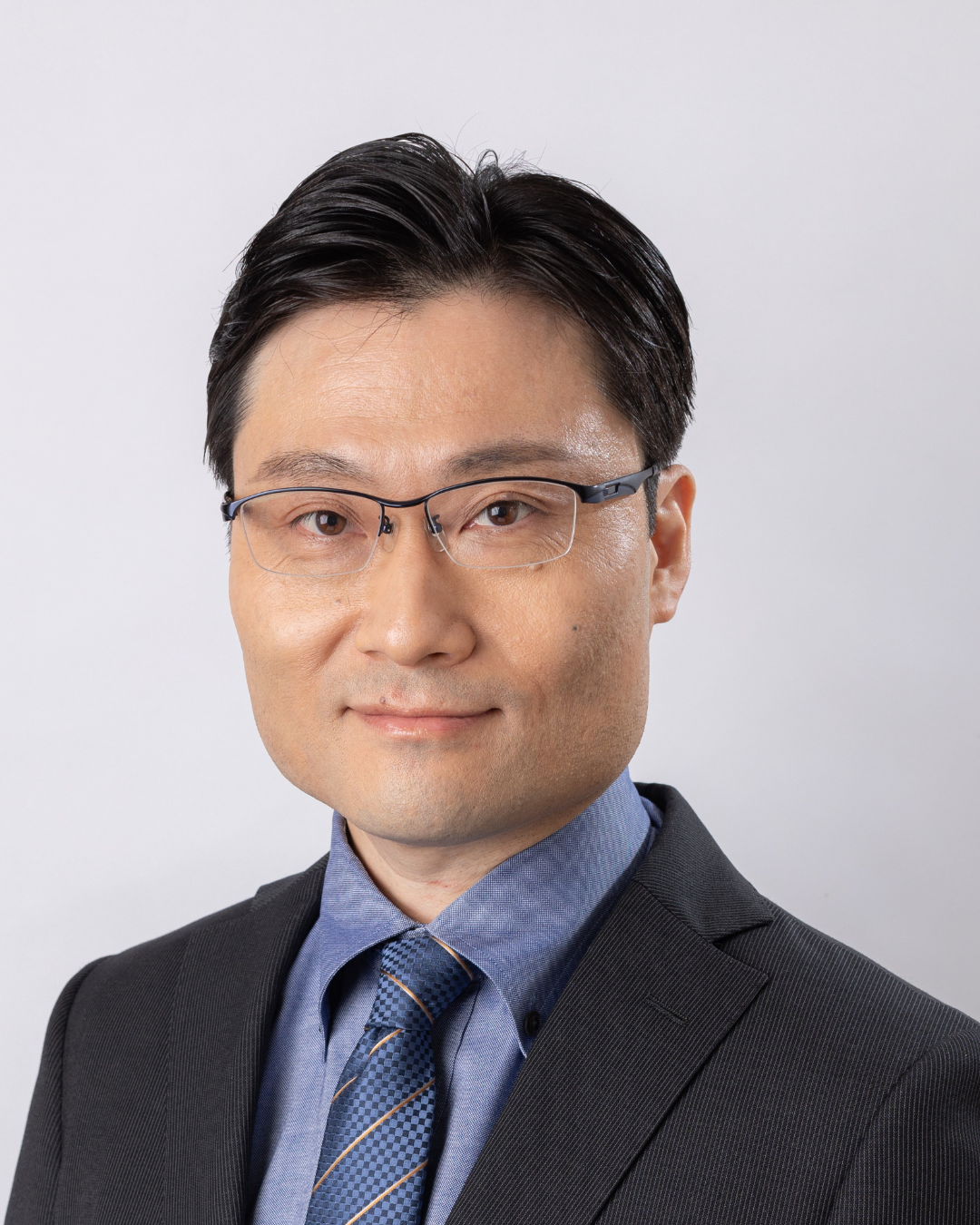
Dr. Nattiya Hirankar
MD, PhD
Dr Sophia Wong trained as a Medical Oncologist at University College London Hospital and Royal Free Hospital (London), with a PhD in Cancer Immunology from University College London, where she trained under Professor Sergio Quezada. After completing her specialist training in London, she pursued a post-training fellowship in solid cancer cellular therapy at the Royal Marsden Hospital (London) and the Netherlands Cancer Institute. Her clinical and research focus is on translational immunotherapy, particularly in advancing cell therapies for solid tumours.
Dr Sophia started at the National Cancer Centre Singapore in 2024, where she treated and led the first solid cancer cellular TIL therapy trial in Asia. She serves as Principal Investigator for ongoing clinical trials and has been awarded the NMRC Transition Award and STDR Grant to support her research in T cell therapy. Alongside her clinical and academic work, she remains actively involved in teaching and global oncology collaborations, with a goal to expand access to innovative therapies across Asia.
Key presentation highlights:
- Promise vs. reality of cell therapy in solid cancers
- Challenges & emerging approaches
- Expert insights from Dr. Sophia Wong
Affordable Immunotherapy: Opportunities and Challenges
Speaker
Dr. Lim Kue Peng
PhD
Cancer Research Malaysia
Moderator
Dr. Joe Yeong
MD, PhD
Moderator
Dr. Nattiya Hirankar
MD, PhD
Dr. Lim Kue Peng is a cancer immunology researcher and Head of the Cancer Immunology & Immunotherapy Unit at Cancer Research Malaysia. Her work focuses on developing new cancer treatment approaches, including cancer vaccines designed to train the immune system to target and destroy cancer cells. Through her research, she contributes to advancing more accessible and regionally relevant immunotherapy strategies for patients in Asia.
Key presentation highlight:
- Explore the opportunities and challenges of making cancer immunotherapy more affordable and accessible.
- Understand key barriers to immunotherapy adoption in Asia
- Explore low-dose immunotherapy trials and understand their opportunities and challenges
- Gain insights into the importance of regionally relevant cancer research in Asia
On-demand GLUT3 expression augments CAR-T cell metabolic fitness and antitumor efficacy in glioblastoma models
When:
21 August 2026, Friday
12:00 PM (UTC +8, Singapore)
1:00 PM (UTC +9, Japan)
Location:
Moderator
Dr. Joe Yeong
MD, PhD
Speaker
Dr. Keisuke Watanabe
MD, PhD
Senior Staff Scientist, Division of Cancer Immunology,
National Cancer Center Japan
Moderator
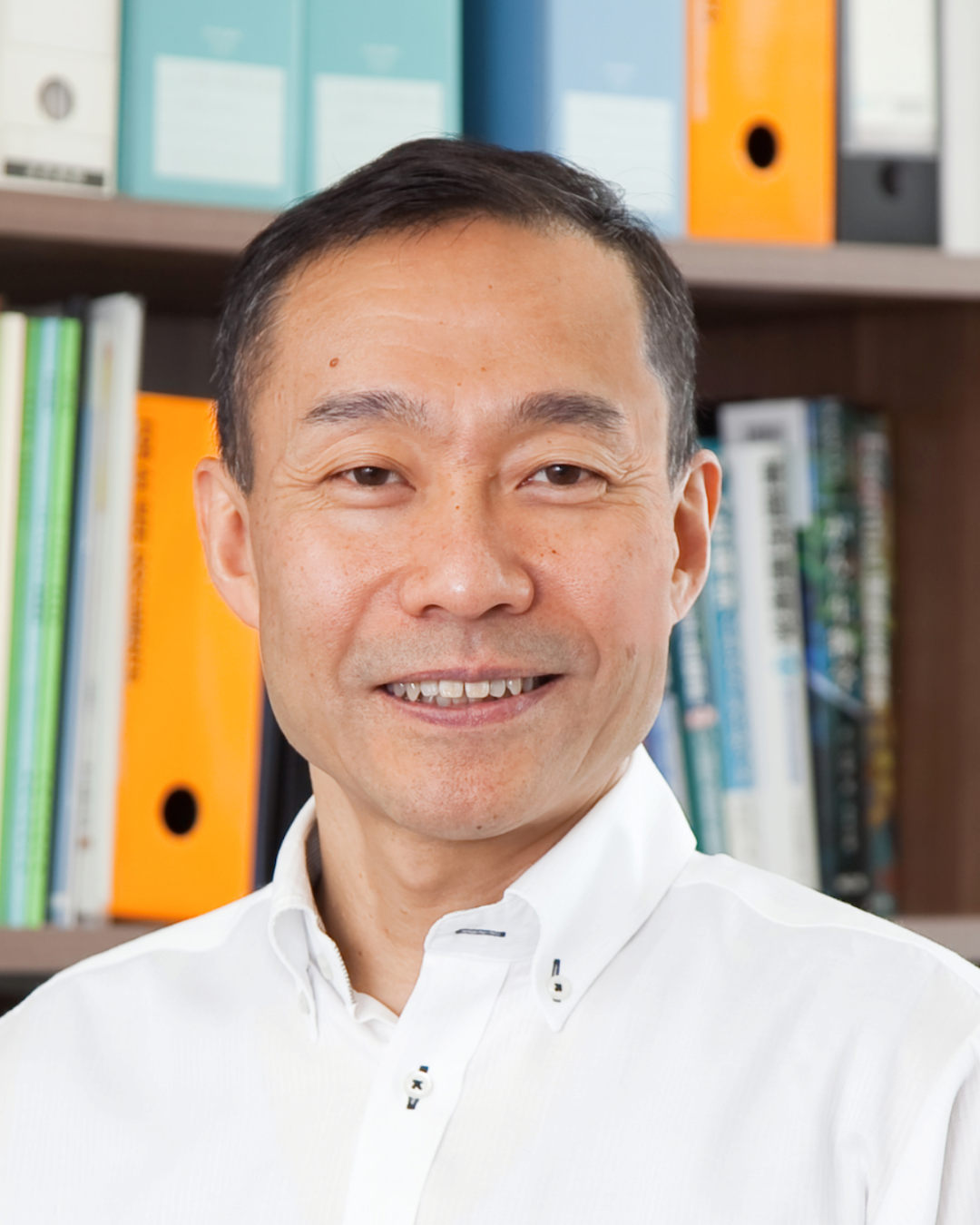
Prof. Hiroaki Ikeda
MD, PhD
Nagasaki University Graduate School of Biomedical Sciences
Keisuke Watanabe, MD, PhD, is a Senior Staff Scientist in the Division of Cancer Immunology at the National Cancer Center Japan. He had dedicated over a decade to patient care, specializing in hematopoietic stem cell transplantation. Parallel to his clinical practice, he has spearheaded clinical research and translational research (TR) in cell therapy.
In 2015-2019, Dr. Watanabe was a postdoctoral fellow in the laboratory of Dr. Carl H. June at the Center for Cellular Immunotherapies at the University of Pennsylvania. There, he advanced the development of CAR-T cell therapies for T-cell malignancies and solid tumors, including combinatorial approaches with oncolytic viruses.
Since joining the National Cancer Center Japan in 2019, Dr. Watanabe has led various immunology programs. His current research focuses on developing CAR-T cells for non-B-cell malignancies, with a particular emphasis on AI-designed CARs to address the tonic signaling, CARs for T-cell tumors, and strategies to overcome metabolic checkpoints in the tumor microenvironment.
Webinar Highlight:
- Metabolic barriers limiting CAR-T cell performance in solid tumors
- The potential of GLUT3 to improve CAR-T cell fitness and persistence
- Novel engineering strategies to enhance antitumor efficacy in glioblastoma models
- Future directions for next-generation CAR-T therapies in non-B-cell malignancies