WIC APAC

WIC APAC Leaders

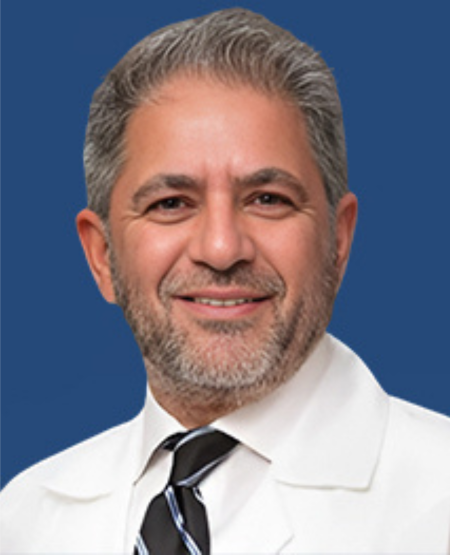
Jose Villadangos

President

Professor Jose Villadangos is an NHMRC L3 Investigator Fellow of the University of Melbourne. He has a dual appointment with the Department of Microbiology and Immunology at the Peter Doherty Institute and the Department of Biochemistry and Pharmacology at the Bio21 Institute. His main research interests are the cells and molecules involved in Antigen Presentation and T cell Recognition, events that underpin every activity of the adaptive immune system. Jose obtained his PhD from the Universidad Autónoma de Madrid in 1994. Subsequently he trained at MIT (USA), Harvard Medical School (USA), and WEHI (Australia). He started his own laboratory in 2001 and moved to The University of Melbourne in 2010. Jose has received funding from the NHMRC, ARC, NIH, HFSP, LLS, CRI and the Anti-Cancer Council, among others. Jose is the past Editor-in-Chief of Molecular Immunology and Editor-in-Chief of Current Research in Immunology. He was President of the International Congress of Immunology (IUIS) held in 2016 in Melbourne. Jose is an Honorary Life Member and recipient of the Derek Rowley Medal of the Australian and New Zealand Society for Immunology. The research interests of the Villadangos laboratory include: (i) Mechanisms of antigen presentation by classical and non-classical MHC molecules; (ii) Development and function of Dendritic Cells and other antigen presenting cells; (iii) Regulation of membrane proteostasis by ubiquitination; (iv) Anti-viral immunity; (v)Immunosuppression post-sepsis or trauma; (vi) Immunometabolism and O-GlcNAcylation; (vi) COVID-19; and (vii) how RNA vaccines work. 

Hong Kong Cancer Therapy Society

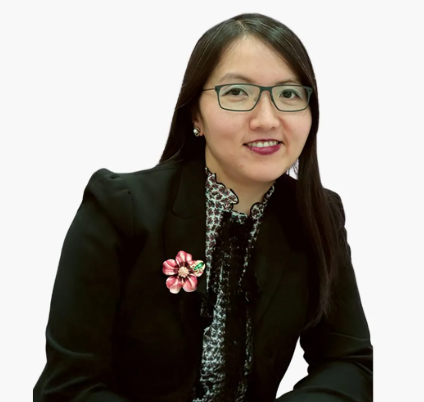
Dr. Janice Tsang Wing-Hang

Dr. Janice Tsang, MBBS, MRCP(UK), FRCP (Lond.), FRCP (Edin.), FHKCP, FHKAM (Medicine), is a Specialist in Medical Oncology and Hon. Clinical Assistant Professor at the Li Ka Shing Faculty of Medicine, The University of Hong Kong. She is the Founding Convenor of the Hong Kong Breast Oncology Group (HKBOG) and the Hong Kong Society of Geriatric Oncology (HKSGO). Dr. Tsang also serves as President of the Hong Kong Cancer Therapy Society (HKCTS) and Deputy Chair of the Women for Oncology Committee (W4O) at the European Society of Medical Oncology (ESMO).

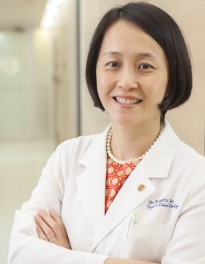
Dr. Brigette Ma

Dr. Brigette Ma is currently Professor and Honorary Consultant at the Department of Clinical Oncology, Chinese University of Hong Kong (CUHK), Medical Director of the Phase I Clinical Trial Centre (Oncology) and Chair of the NTEC-CUHK ethics committee for phase 1 studies. She received her undergraduate degree with Honours at Monash University, Australia, and was awarded Fellow of the Royal Australasian College of Physicians, Fellow of Hong Kong College of Physicians, and Doctor of Medicine (CUHK). She underwent training in Medical Oncology at the Peter MacCallum Cancer Institute, Melbourne, and was Research Fellow at the Princess Margaret Hospital, Toronto, Canada. She has published over 200 peer-reviewed papers. Notably, she had been a Faculty member of the European Society of Medical Oncology (ESMO) in Gastrointestinal Cancer, and was a member of the Consensus Working Group for the management of metastatic colorectal cancer; executive member of the National Cancer Institute (Bethesda, USA) Head and Neck Cancer Steering Committee – Clinical Trials Planning Group on Nasopharyngeal Cancer, Co-chair of Widely Metastatic Group; mentor and committee member of the Women in Cancer Research of the American Association of Cancer Research; and Scientific Co-chair of ESMO (Asia) conference 2023 in Singapore. Her other current roles included: member of the Joint Scientific Committee for Phase 1 Clinical Trials, Centre of Health Protection, Hong Kong Hospital Authority; Track Chair/ member of the Scientific Committee American Association of Cancer Research, ESMO congresses. She is study chair for NRG oncology clinical trial in NPC, Scientific Co-chair of the ESMO Targeted Anticancer Therapies Asia Congress 2025 and co-chairs for some ESMO advanced course/ workshops concerning early drug development. She is Associate Editor of Oral Oncology and is member of the Editorial Board for ESMO Open (GI) and Clinical Colorectal Cancer amongst other journals.

Rakesh Jalali

President

Dr. Rakesh Jalali is a distinguished Radiation and Neuro-Oncologist, serving as Medical Director and Lead of Neuro-Oncology at Apollo Proton Cancer Centre, Chennai. With extensive training and leadership in high-precision radiotherapy, he has advanced cancer care, research, and education in India and internationally. He is the President of the Immuno-Oncology Society of India (I-OSI), championing the growth and equitable delivery of immunotherapy across the country. Dr. Jalali also played a pivotal role in establishing the Indian Society of Neuro-Oncology, has authored 300+ publications, and founded the Brain Tumour Foundation of India, reflecting his commitment to research, multidisciplinary care, and patient-centred outcomes.

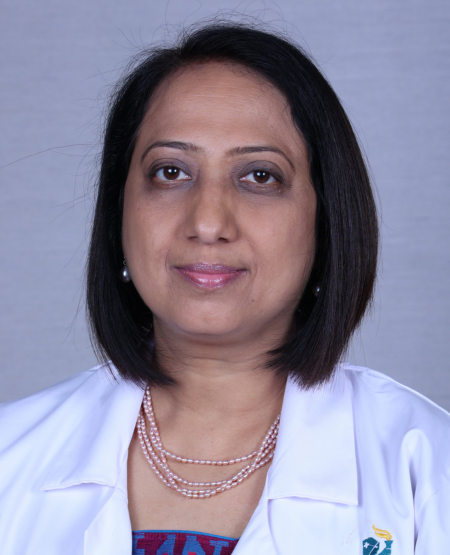
Jyoti Baipai

President-Elect

Dr. (Prof.) Jyoti Bajpai is a leading Medical and Precision Oncologist with over two decades of experience, majorly at Tata Memorial Centre, where she served nearly 15 years as Professor of Medical Oncology, Sarcoma Lead, and Breast DMG Convener. She currently heads Medical and Precision Oncology at Apollo Hospitals, Navi Mumbai & Maharashtra Region. Trained at AIIMS, MSKCC, and Johns Hopkins, she specializes in precision medicine, immunotherapy, and complex cancers with a focus on supportive care and quality of life. She has contributed to ESMO-PAGA, EURACAN, ABC guidelines, ESMO, and SITC, authored ~200 publications, and is Founder and President Elect of the Immuno-Oncology Society of India, advocating AYA and equitable cancer care.

Hiroaki Ikeda

President

Dr. Hiroaki Ikeda, M.D., Ph.D. is Professor of Oncology at the Graduate School of Biomedical Sciences, Nagasaki University. A physician-scientist specializing in cancer immunology, his research focuses on immunotherapy, cell therapy, and gene therapy to advance innovative cancer treatments.
Dr. Ikeda received his M.D. and Ph.D. from Nagasaki University and completed research training at Washington University School of Medicine in the United States. He has held academic appointments at Hokkaido University and Mie University before joining Nagasaki University in 2016. With extensive clinical and research experience, Dr. Ikeda is committed to translating scientific discoveries into next-generation therapies for cancer patients.

Joon Oh Park

President

The Korean Society of Medical Oncology (KSMO) is a professional academic organization dedicated to advancing cancer treatment and research in Korea. Founded in November 2005, KSMO works to enhance the quality of cancer patient care by promoting academic exchange, clinical research, education, and the development of medical oncology as a specialty. Through its scientific meetings, training initiatives, and collaborative activities, KSMO plays a leading role in supporting oncology professionals and advancing progress in cancer diagnosis, treatment, prevention, and palliative care.

Ng Chyan Leong

President

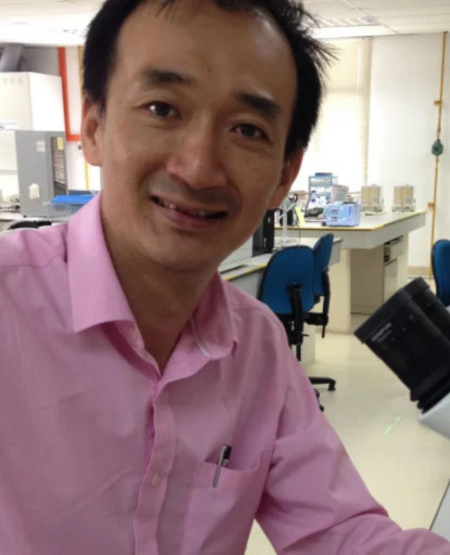
Dr. Ng Chyan Leong is a senior research fellow in the Institute of Systems Biology (INBIOSIS), Universiti Kebangsaan Malaysia. He graduated from the Universiti Putra Malaysia where he earned a Bachelor in Biotechnology and Master in Molecular Biology. He completed his PhD in structural biology at the York Structural Biology Laboratory, University of York, UK. He then worked as postdoctoral fellow at the Medical Research Council, Laboratory of Molecular Biology, Cambridge, UK. His researches focus on the structural and functional studies of biologically important macromolecules including secondary metabolites biosynthesis enzymes, hypothetical proteins in human and pathogenic bacteria.

Eileen Poon

President

Oncology fascinates Dr Poon with its never-ending possibilities. Upcoming new therapies and exciting progress made in recent years is a culmination of countless peoples’ efforts, with much to be learnt and discovered. Her passion is in Adolescent and Young Adult Oncology (AYAO), and she is working towards training specifically in this area. This is a field in its infancy, especially in Asia, combining both the science and art of Oncology and Medicine. Dr Poon recounts that, “Every single time I care for an AYAO patient, it never fails to humble and remind me why I am doing what I am doing. I hope to continue to learn, question and be an all-rounded oncologist, who is adept at treating patients with up-to-date science that is individualized to each patient.” She is also keen to become an inspiring clinical educator too who is able to individualize teaching strategies to help each young doctor reach their full potential as she believes everyone learns differently with their own needs. Dr Poon has met wonderful inspiring mentors in her short career, and she recognize the importance of educating our younger doctors in order for not just science to be handed over, but also good doctoring. This is a skillset which she feels is increasingly underrated, especially with all the technology advancement.

Peter (Chiao-En) Wu

President

Peter (Chiao-En) Wu, MD, PhD, is a professor-level attending physician in the division of medical oncology at New Taipei Municipal TuCheng Hospital and Chang Gung Memorial Hospital, Taiwan. He holds a dual degree in medicine and traditional chinese medicine from Chang Gung University and a PhD from Newcastle University, UK. Board-certified in internal medicine and medical oncology, Dr. Wu serves as President of the Taiwan Society for Immunotherapy of Cancer (TSITC) and as a Director of the Taiwanese Society of Molecular Medicine and the Taiwan Lung Cancer Society. He is the author of multiple peer-reviewed studies, with research interests in molecular oncology, p53 biology, and lung, gastrointestinal, melanoma, and thyroid cancers.

Nattiya Hirankarn

President

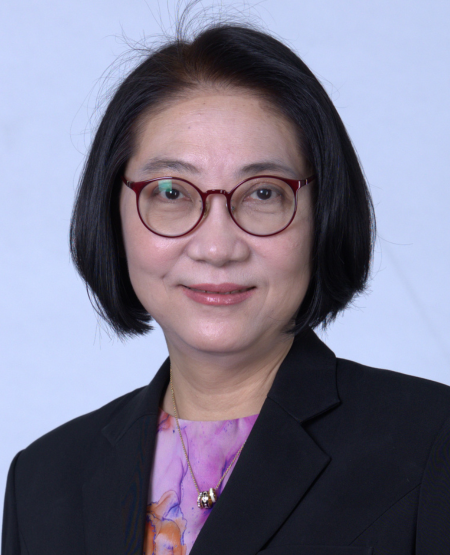
Prof. Nattiya Hirankarn, MD, PhD, is the Associate Dean for Graduate Affairs at the Faculty of Medicine, Chulalongkorn University, where she also earned her medical degree. A Georgetown-trained immunologist, she is a leading architect of Thailand’s immunotherapy ecosystem, driving postgraduate research and specialized technical training. As Director of the Cancer Immunotherapy Excellence Center and founder of the Thailand Hub of Talents in Cancer Immunotherapy (TTCI), she oversees the R&D and manufacturing pipelines for hospital-based CAR T-cell therapy and personalized cancer vaccines. Her work bridges the gap between laboratory discovery and clinical implementation, focusing on building a sustainable workforce and innovative infrastructure for advanced therapies across the APAC region.

Jen-Shi Chen

President

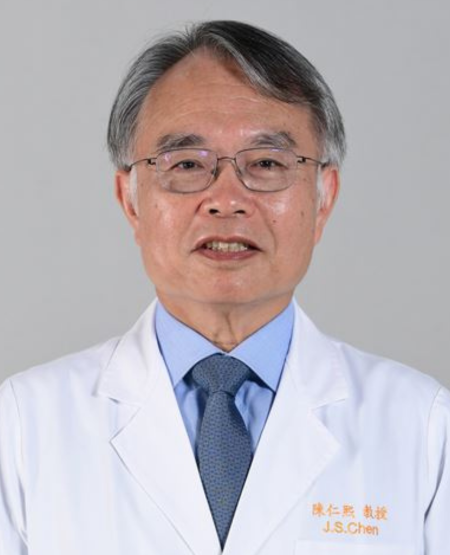
Dr. Chen is an Associate Professor in the Division of Hematology-Oncology at Linkou Chang Gung Memorial Hospital and Chang Gung University, Taiwan. He received his medical degree from China Medical University and completed oncology training at CGMH, with additional clinical training at MD Anderson Cancer Center. He has held several leadership roles within the Taiwan Oncology Society and ASCO-related organizations. Dr. Chen is actively involved in international clinical trials, with research interests including upper gastrointestinal cancers, pancreatic-biliary cancer, GIST, neuroendocrine tumors, and quality of life. He has published over 200 peer-reviewed articles and contributed to landmark studies published in NEJM and Journal of Clinical Oncology.

Thai Duc (Peter) Nguyen

Founder

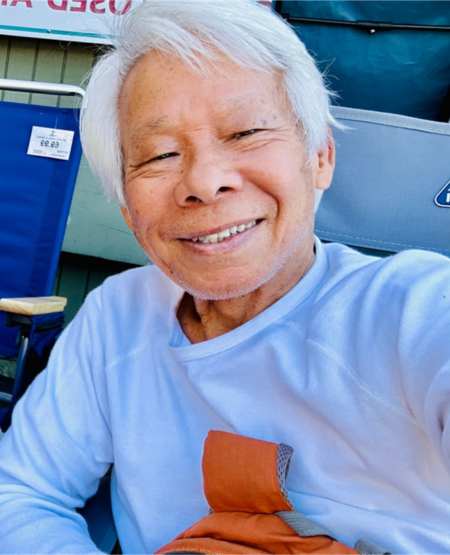
Dr. Thai D. Nguyen is an internationally recognized molecular biologist best known for discovering the first glaucoma gene, TIGR, published in Science and JBC (1997-1998), earning 10 patents and global media coverage (CNN, New York Times, Japan Times). He completed his PhD at UCSF under Dr. John D. Baxter, later serving as P.I. of the Genetic Research Glaucoma Laboratories (1994), and holding visiting professorships in Hong Kong (1998) and South Korea (2014, 2019). He expanded his research into immunology as Senior Specialist at SBI Biotech, Japan (2005-2010), focusing on pDC-targeted immunotherapies under Prof. Ken-Ichi Arai, and later established the Ken-ichi Arai Scholarship Fund. A pioneer of molecular medicine in Vietnam since the 1990s, Dr. Nguyen introduced the first PCR-based diagnostics (1994), which helped prevent many lethal errors in healthcare in Vietnam at the time, and co-founded TransMed-VN (2014) with Prof. John Connolly (A*Star, Singapore) to advance CAR-T and immunotherapy research. TransMed-VN represented Vietnam at the Society for Immunotherapy of Cancer (SITC-USA) in 2024. He has held senior advisory, teaching, and leadership roles at the Saigon Hi-Tech Park, University of Medicine and Pharmacy HCMC, Stem Cell Institute (establishing Vietnam’s first COPD stem cell therapy, 2012), and as Vice Dean of Tan Tao University Medical School. Dr. Nguyen has fostered collaborations with global organizations including UCSF, SITC, A-IMBN, BioTec Japan, MedGenome, SIMS, and HEPAVAC, and serves as a peer reviewer for leading biomedical journals. During the COVID-19 pandemic, he contributed to early warning systems, infection screening, and vaccine programs, earning commendation from Ho Chi Minh City’s COVID Steering Committee (2020-2022). His honors include the NEI/NIH RO-I Award (1998), Pride of Vietnamese Americans (2002), SFHCMSCC/City of San Francisco-HCMC Sister City Award (2006), and selection among the 50 overseas awardees recognized for significant contributions to Ho Chi Minh City’s modernization (2025).

The Chinese Society of Clinical Oncology (CSCO) is a non-profit professional academic organization that brings together clinical oncology professionals and related institutions across China. Founded in 2015, CSCO is dedicated to advancing continuing education, multi-centre collaborative research, and the standardisation of cancer diagnosis and treatment, with the aim of improving the academic and clinical standards of oncology practice in China.

The Chinese Society for Immunology (CSI) is a nonprofit academic association that represents and connects China’s immunology community, supporting research, education, and scientific exchange in immunology and related biomedical fields. It grew out of the Chinese Committee for Immunology (founded in 1984), is affiliated with the China Association for Science and Technology (CAST), and joined the International Union of Immunological Societies (IUIS) as a member society. CSI also runs major scientific activities such as its annual meeting and supports publications and awards; it is associated with journals including Cellular & Molecular Immunology

Jose Villadangos

President

Professor Jose Villadangos is an NHMRC L3 Investigator Fellow of the University of Melbourne. He has a dual appointment with the Department of Microbiology and Immunology at the Peter Doherty Institute and the Department of Biochemistry and Pharmacology at the Bio21 Institute. His main research interests are the cells and molecules involved in Antigen Presentation and T cell Recognition, events that underpin every activity of the adaptive immune system. Jose obtained his PhD from the Universidad Autónoma de Madrid in 1994. Subsequently he trained at MIT (USA), Harvard Medical School (USA), and WEHI (Australia). He started his own laboratory in 2001 and moved to The University of Melbourne in 2010. Jose has received funding from the NHMRC, ARC, NIH, HFSP, LLS, CRI and the Anti-Cancer Council, among others. Jose is the past Editor-in-Chief of Molecular Immunology and Editor-in-Chief of Current Research in Immunology. He was President of the International Congress of Immunology (IUIS) held in 2016 in Melbourne. Jose is an Honorary Life Member and recipient of the Derek Rowley Medal of the Australian and New Zealand Society for Immunology. The research interests of the Villadangos laboratory include: (i) Mechanisms of antigen presentation by classical and non-classical MHC molecules; (ii) Development and function of Dendritic Cells and other antigen presenting cells; (iii) Regulation of membrane proteostasis by ubiquitination; (iv) Anti-viral immunity; (v)Immunosuppression post-sepsis or trauma; (vi) Immunometabolism and O-GlcNAcylation; (vi) COVID-19; and (vii) how RNA vaccines work. 

Rakesh Jalali

President

Dr. Rakesh Jalali is a distinguished Radiation and Neuro-Oncologist, serving as Medical Director and Lead of Neuro-Oncology at Apollo Proton Cancer Centre, Chennai. With extensive training and leadership in high-precision radiotherapy, he has advanced cancer care, research, and education in India and internationally. He is the President of the Immuno-Oncology Society of India (I-OSI), championing the growth and equitable delivery of immunotherapy across the country. Dr. Jalali also played a pivotal role in establishing the Indian Society of Neuro-Oncology, has authored 300+ publications, and founded the Brain Tumour Foundation of India, reflecting his commitment to research, multidisciplinary care, and patient-centred outcomes.

Jyoti Baipai

President-Elect

Dr. (Prof.) Jyoti Bajpai is a leading Medical and Precision Oncologist with over two decades of experience, majorly at Tata Memorial Centre, where she served nearly 15 years as Professor of Medical Oncology, Sarcoma Lead, and Breast DMG Convener. She currently heads Medical and Precision Oncology at Apollo Hospitals, Navi Mumbai & Maharashtra Region. Trained at AIIMS, MSKCC, and Johns Hopkins, she specializes in precision medicine, immunotherapy, and complex cancers with a focus on supportive care and quality of life. She has contributed to ESMO-PAGA, EURACAN, ABC guidelines, ESMO, and SITC, authored ~200 publications, and is Founder and President Elect of the Immuno-Oncology Society of India, advocating AYA and equitable cancer care.

Hiroaki Ikeda

President

Dr. Hiroaki Ikeda, M.D., Ph.D. is Professor of Oncology at the Graduate School of Biomedical Sciences, Nagasaki University. A physician-scientist specializing in cancer immunology, his research focuses on immunotherapy, cell therapy, and gene therapy to advance innovative cancer treatments.
Dr. Ikeda received his M.D. and Ph.D. from Nagasaki University and completed research training at Washington University School of Medicine in the United States. He has held academic appointments at Hokkaido University and Mie University before joining Nagasaki University in 2016. With extensive clinical and research experience, Dr. Ikeda is committed to translating scientific discoveries into next-generation therapies for cancer patients.

Peter (Chiao-En) Wu

President

Peter (Chiao-En) Wu, MD, PhD, is a professor-level attending physician in the division of medical oncology at New Taipei Municipal TuCheng Hospital and Chang Gung Memorial Hospital, Taiwan. He holds a dual degree in medicine and traditional chinese medicine from Chang Gung University and a PhD from Newcastle University, UK. Board-certified in internal medicine and medical oncology, Dr. Wu serves as President of the Taiwan Society for Immunotherapy of Cancer (TSITC) and as a Director of the Taiwanese Society of Molecular Medicine and the Taiwan Lung Cancer Society. He is the author of multiple peer-reviewed studies, with research interests in molecular oncology, p53 biology, and lung, gastrointestinal, melanoma, and thyroid cancers.

Nattiya Hirankarn

President

Prof. Nattiya Hirankarn, MD, PhD, is the Associate Dean for Graduate Affairs at the Faculty of Medicine, Chulalongkorn University, where she also earned her medical degree. A Georgetown-trained immunologist, she is a leading architect of Thailand’s immunotherapy ecosystem, driving postgraduate research and specialized technical training. As Director of the Cancer Immunotherapy Excellence Center and founder of the Thailand Hub of Talents in Cancer Immunotherapy (TTCI), she oversees the R&D and manufacturing pipelines for hospital-based CAR T-cell therapy and personalized cancer vaccines. Her work bridges the gap between laboratory discovery and clinical implementation, focusing on building a sustainable workforce and innovative infrastructure for advanced therapies across the APAC region.

Jen-Shi Chen

President

Dr. Chen is an Associate Professor in the Division of Hematology-Oncology at Linkou Chang Gung Memorial Hospital and Chang Gung University, Taiwan. He received his medical degree from China Medical University and completed oncology training at CGMH, with additional clinical training at MD Anderson Cancer Center. He has held several leadership roles within the Taiwan Oncology Society and ASCO-related organizations. Dr. Chen is actively involved in international clinical trials, with research interests including upper gastrointestinal cancers, pancreatic-biliary cancer, GIST, neuroendocrine tumors, and quality of life. He has published over 200 peer-reviewed articles and contributed to landmark studies published in NEJM and Journal of Clinical Oncology.

Thai Duc (Peter) Nguyen

Founder

Dr. Thai D. Nguyen is an internationally recognized molecular biologist best known for discovering the first glaucoma gene, TIGR, published in Science and JBC (1997-1998), earning 10 patents and global media coverage (CNN, New York Times, Japan Times). He completed his PhD at UCSF under Dr. John D. Baxter, later serving as P.I. of the Genetic Research Glaucoma Laboratories (1994), and holding visiting professorships in Hong Kong (1998) and South Korea (2014, 2019). He expanded his research into immunology as Senior Specialist at SBI Biotech, Japan (2005-2010), focusing on pDC-targeted immunotherapies under Prof. Ken-Ichi Arai, and later established the Ken-ichi Arai Scholarship Fund. A pioneer of molecular medicine in Vietnam since the 1990s, Dr. Nguyen introduced the first PCR-based diagnostics (1994), which helped prevent many lethal errors in healthcare in Vietnam at the time, and co-founded TransMed-VN (2014) with Prof. John Connolly (A*Star, Singapore) to advance CAR-T and immunotherapy research. TransMed-VN represented Vietnam at the Society for Immunotherapy of Cancer (SITC-USA) in 2024. He has held senior advisory, teaching, and leadership roles at the Saigon Hi-Tech Park, University of Medicine and Pharmacy HCMC, Stem Cell Institute (establishing Vietnam’s first COPD stem cell therapy, 2012), and as Vice Dean of Tan Tao University Medical School. Dr. Nguyen has fostered collaborations with global organizations including UCSF, SITC, A-IMBN, BioTec Japan, MedGenome, SIMS, and HEPAVAC, and serves as a peer reviewer for leading biomedical journals.
During the COVID-19 pandemic, he contributed to early warning systems, infection screening, and vaccine programs, earning commendation from Ho Chi Minh City’s COVID Steering Committee (2020-2022). His honors include the NEI/NIH RO-I Award (1998), Pride of Vietnamese Americans (2002), SFHCMSCC/City of San Francisco-HCMC Sister City Award (2006), and selection among the 50 overseas awardees recognized for significant contributions to Ho Chi Minh City’s modernization (2025).

Scroll to Top